Posts

What Is Excavation Sydney, And How Does It Work?
Image
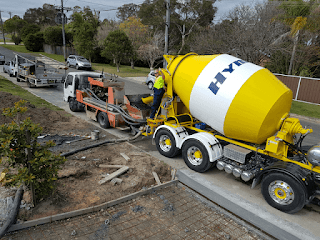
  Excavation Sydney is a specialized excavation used to remove earth and soil from a site. Excavation Sydney is typically used when it is necessary to access buried structures or objects or when it is necessary to construct new infrastructure or roads.     What is excavation Sydney?   Excavation Sydney removes soil, rock, and other earth materials from a site by digging, hydraulic fracturing (fracking), or combining these methods. Excavation Sydney aims to create a safe and stable foundation for construction or other projects.   Excavation Sydney can create new land, remove hazardous materials and construct roads and other infrastructure, and more. It is a versatile process that has many applications in both commercial and residential settings. Because the excavation of Sydney creates new land, it can be controversial due to its impact on ecosystems and the environment. However, the benefits of excavation Sydney often outweigh these concerns, mak...
What special things should you consider while doing Council Driveway Concreting Sydney?

Image
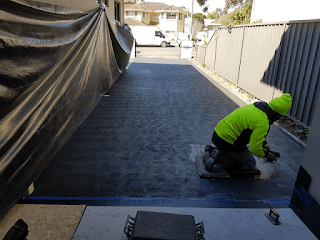
    Are you thinking of doing concreting to your driveways? Because concreting driveways is a significant investment that requires careful consideration to ensure that the result is durable and meets the specific need of the property. While Council Driveway Concreting Sydney is a relatively simple process, several important factors should be considered to ensure the output is of high quality. It is important to consider council regulations and building codes, surface preparation, concrete mix and curing, drainage and slope, reinforcement, finishing, and maintenance to make the driveway more durable and stronger.   In this article, let's discuss some of the special things you should consider when concreting a driveway for a council property.   ·          Council regulations and building codes: Before commencing any work on council property, it is important to familiarize yourself with the local council regul...

What are the ingredients used in the material of concrete?

Image
  Concrete is a composite material that consists of a binder and is typically cement with fine and rough aggregates whereas usually sand, stone, and water. These comprise ingredient materials of the concrete. Cement gets mixed with water and forms a cement paste. Then cement paste gets mixed with sand and forms mortar. At last, mortar gets mixed with stone to form concrete. Various chemical reactions took place at the time of constituent materials which depended on the properties of the individual materials. There should be proper material for Concreting Sydney and experts use the ingredients in right quantity as they are knowledgeable about the material before starting the work. The various ingredients used in the material concrete are – • Binder is formed by a fine; granular materials form the paste when water gets added to them. This paste gets hardened to encapsulate the aggregates and reinforcement steel. Immediately after adding the water, the cement paste gets hardene...

6 Advantages of Having Concrete Footpaths in Your Yard

Image
  Introducing a concrete footpath to your yard provides many benefits as well. A footpath can be a cost-effective and reasonable way to add value to your home.   Throughout this blog, we will look at the six practical advantages of installing concreting in your yard if you live in Sydney or anywhere else. There are many popular footpath finishes in Sydney due to the various home styles. Repair is also common in footpath concreting Sydney   Ensures accessibility:   If you experience limited mobility in your living space, particularly in the yard, installing a concrete pathway or footpath is your best option. It allows you to connect different areas of your living space for practical purposes such as moving items from one area of your home to another.   Protects the foundation of your home:   Once implemented all around the foundation of your living space, concrete footpaths preserve your home foundation from soil erosion. It keeps wate...